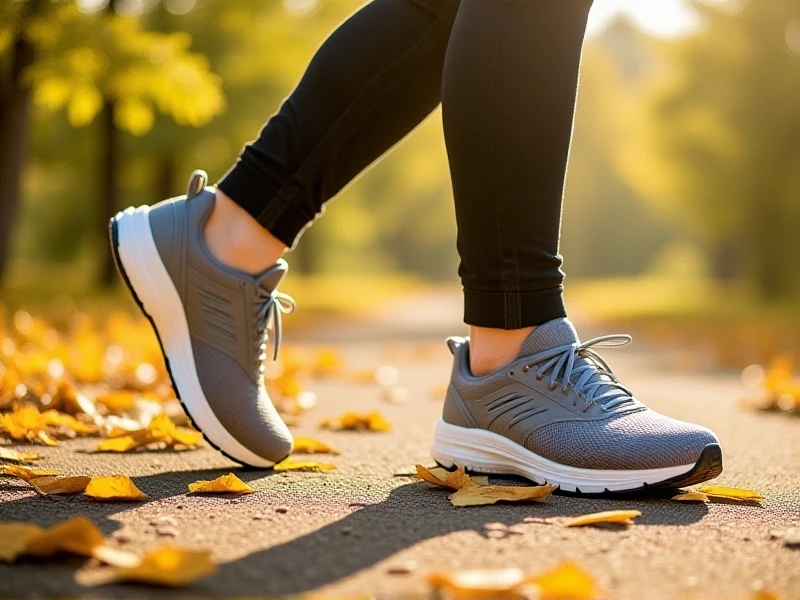
Finding Your Perfect Pair: The Ultimate Guide to Running Shoes
Stepping into the world of running? Or looking to upgrade your gear? One thing is clear: the right running shoes are non-negotiable for comfort, performance, and injury prevention. With countless options flooding the market, choosing can feel overwhelming. This guide cuts through the noise to help you find your ideal fit.
Why the Right Running Shoe Matters
Simply grabbing any athletic sneaker won't cut it. Dedicated running shoes are meticulously engineered for the repetitive, high-impact motion of running. The wrong pair can lead to discomfort, blisters, shin splints, knee pain, or worse, sidelining you before you reach your goals. Proper footwear absorbs shock, provides stability, enhances your gait efficiency, and protects your feet and joints mile after mile.
Key Features to Consider
- Cushioning: This is where the magic happens. Running shoes offer varying levels of cushioning – from plush maximum cushioning (ideal for long distances or joint sensitivity) to responsive minimal cushioning (favored by speed-focused runners). Find the balance that feels comfortable to you.
- Support & Stability: Look at your arch and how your foot rolls inward (pronation). Running shoes come in neutral (for even pronation), stability (moderate support for overpronation), and motion control (maximum support for severe overpronation). Getting this right is vital for injury prevention.
- Fit & Comfort: This trumps all. Your shoe should fit snugly but not tightly, with about a thumbnail's width of space beyond your longest toe. The heel should be secure without slipping. Always try on shoes later in the day when feet swell, wear running socks, and walk and jog around the store.
- Purpose & Terrain: Road running shoes (lightweight, cushioning) dominate pavement. Trail running shoes offer aggressive treads, rock plates, and enhanced protection for off-road adventures. Racing flats prioritize speed over cushioning.
- Durability & Weight: Consider the mileage you’ll log. Durability often correlates with weight, but newer materials offer remarkable longevity without feeling heavy. Balance your need for speed with protective longevity.
Finding Your Perfect Match
While guideposts help, personal experience is king. Visiting a specialty running store for a gait analysis can provide invaluable insights. Inform staff about your running goals (distance, pace), injury history, and preferred feel. Don't hesitate to test several brands and models side-by-side. Walk and jog on a treadmill if possible. Your feet will tell you which pair offers that "just right" feeling.
Beyond the Sale: Caring for Your Running Shoes
Even the best running shoes have a lifespan – typically 300-500 miles. Rotating between two pairs can extend their life and allow the cushioning to rebound. Keep them clean and dry; avoid machine washing/drying which breaks down materials. Monitor the tread wear and midsole compression – worn-out shoes lose shock absorption.
Run Stronger in the Right Gear
Investing time and care into selecting your running shoes is an investment in your running journey. Comfort truly translates to performance and consistency on the road or trail. Prioritize the fit, understand your needs, and lace up confidently for your next run. Discover the difference the perfect pair can make and run stronger, farther, and with more enjoyment. Happy running!