How to Choose the Best Running Shoes for Your Needs
Below is a 400-word SEO-optimized article about Running Shoes in English, formatted as requested:
Finding the perfect pair of running shoes isn't just about style; it's crucial for comfort, performance, and preventing injuries. With countless brands and styles flooding the market, selecting the right running shoes can feel overwhelming. This guide simplifies the process, focusing on key features to find footwear that propels you forward.
The foundation starts with understanding your running style and foot mechanics. Are you a neutral runner, a mild overpronator, or an underpronator (supinator)? Visiting a specialty running store for a gait analysis is the most accurate way to determine this. Their experts observe your stride and foot strike on a treadmill, providing invaluable insight into whether you need neutral running shoes, stability shoes designed to correct overpronation, or highly cushioned shoes for supinators.
Next, consider the primary surface where you train most frequently. There's a significant difference in the traction, cushioning, and durability required:
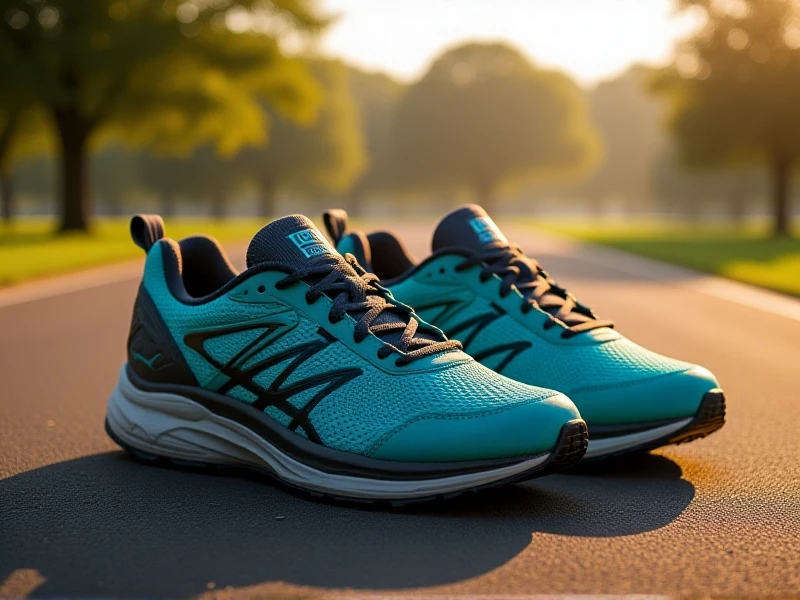
- Road running shoes: Designed for pavement and hard, even surfaces. They focus on cushioning to absorb impact and often feature lightweight mesh uppers for breathability. These shoes generally wear out faster than trail runners.
- Trail running shoes: Built for rugged paths, featuring aggressive lugs for superior grip on dirt, mud, gravel, and uneven terrain. They offer enhanced underfoot protection against rocks and roots, usually have sturdier constructions, and often incorporate waterproof or water-resistant materials.
Prioritize fit above all else. Running shoes should fit snugly around the midfoot and heel without pinching, preventing slippage that can cause blisters. There should be ample space (about a thumb's width) beyond your longest toe to allow for natural foot expansion during impact. Ensure your foot feels secure and comfortable when walking or jogging around the store. Different brands and styles have unique fits – one model's size 9 might feel different than another's.
Cushioning level preference is highly personal and depends on factors like distance, body weight, injury history, and comfort needs. While maximal cushioning shoes (e.g., from Hoka or New Balance Fresh Foam) offer plush shock absorption favored in long-distance scenarios, minimalist shoes provide a more "ground feel." Most runners prefer moderate cushioning for a balanced response.
Finally, know when to replace your running shoes. Experts generally recommend changing them every 300-500 miles, as the midsoles lose their resilience, compromising support and shock absorption which can lead to injury. Signs include noticeable tread wear, creasing on the midsole, or developing aches that weren't there before.
Investing time in finding the right running shoes is investing in the joy and longevity of your runs. Focus on your gait, terrain, and individual fit to discover the pair that feels perfectly tuned for your feet. Happy running!