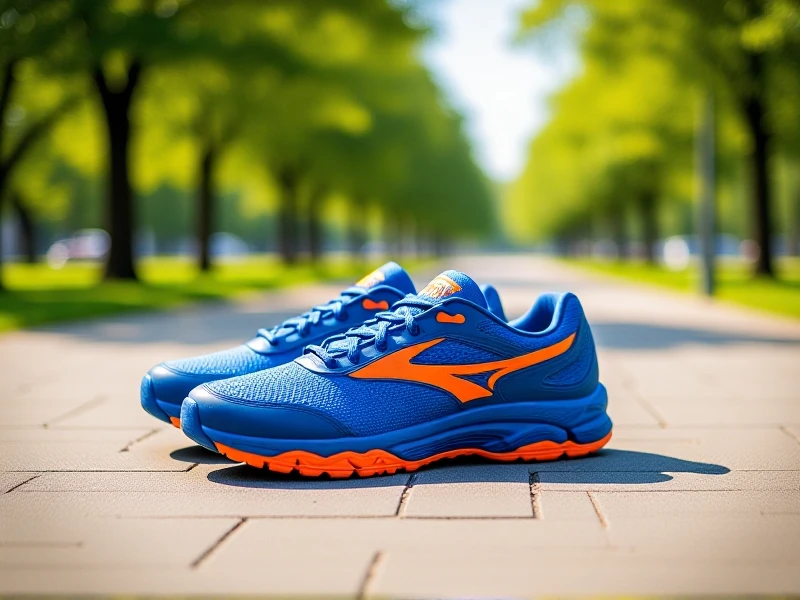
Choosing the Perfect Running Shoes: Your Guide to Peak Performance
Running is one of the most accessible and rewarding forms of exercise, but without the right gear, it can quickly turn into a painful experience. That's why selecting the best running shoes is crucial—it not only enhances your performance but also protects you from injuries like shin splints or knee pain. Whether you're a seasoned marathoner or a weekend jogger, your shoes can make or break your experience. With so many options flooding the market, including brands like Nike, Brooks, and Asics, choosing wisely might seem overwhelming. But don't worry—this guide simplifies it for you.
First, consider the critical factors when buying running shoes. Your foot type, including whether you have a neutral gait or overpronate, dictates the level of support you need. For instance, stability shoes are ideal for overpronators as they provide extra arch reinforcement, while cushioned options work well for neutral runners seeking comfort on long distances. Always get fitted at a specialized store—it's the golden rule to find that perfect pair. Next, think about the terrain. Road-running shoes offer lightweight flexibility for pavements, while trail-running variants feature deeper treads and durability for uneven paths. Water-resistant designs are essential in wet climates, and if you're training for a race, minimalist or racing flats can boost speed but prioritize support.
Beyond fit, focus on key benefits that elevate your run. High-quality running shoes absorb impact, reducing stress on joints by up to 30%, so you can log miles without discomfort. Technologies like air-cushioning or foam midsoles in many top models enhance bounce-back, while breathable mesh materials keep feet cool and prevent blisters. I always recommend investing in a pair that feels like an extension of your feet from the first stride—replace them every 300-500 miles to maintain peak safety. In my experience as a runner, sticking with renowned brands for consistency pays off; their innovations continually adapt to biomechanics research, ensuring you stay at the top of your game.
Now, it's time to make a smart choice tailored to your goals. Start by assessing your running volume and preferences—if you tackle high mileage, opt for durable, supportive running shoes that endure wear. Try them on in the afternoon when feet are naturally swollen, and test them on a short run before committing. Ultimately, the perfect pair empowers you to push limits and stay injury-free. Ready to hit the pavement? Browse trusted retailers online or visit a local shop for personalized advice—your journey to better runs begins with a confident step. Happy running!