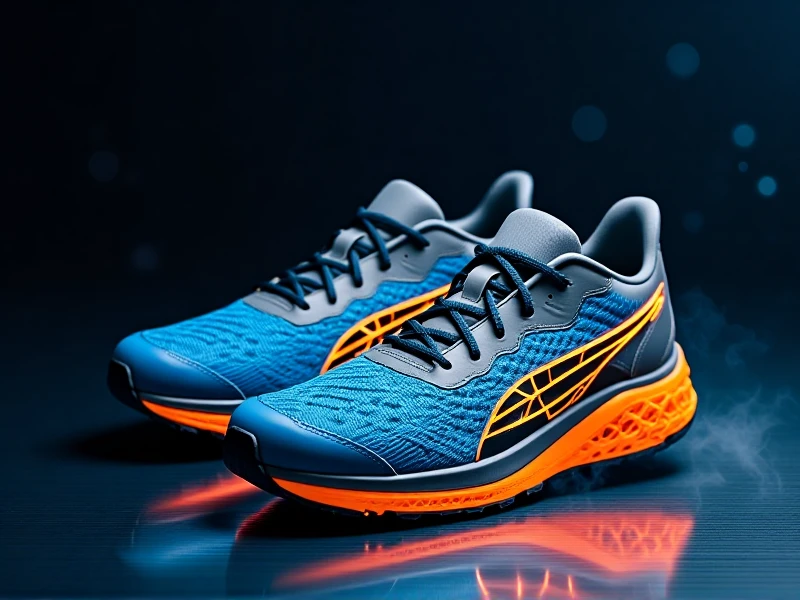
The Ultimate Guide to Finding Your Perfect Running Shoes
Running transforms lives, but the wrong footwear can derail your journey. Choosing ideal running shoes is about more than style—it's science, comfort, and performance merging. Let's explore how to find your match.
First, understand your foot type. Flat arches need stability shoes with motion control, while high arches benefit from cushioned, flexible designs. Neutral arches thrive in balanced support shoes. Visit specialty stores for gait analysis; many offer free treadmill assessments to identify overpronation or supination.
Cushioning level depends on your running surface and distance. Maximal cushioning absorbs impact for road marathons or heel strikers, whereas minimalist shoes suit short trail runs and forefoot strikers. Replace shoes every 300-500 miles—worn midsoles lose shock absorption, risking injury.
Consider weather adaptability. Breathable mesh uppers prevent overheating in summer, while water-resistant membranes like Gore-Tex shield feet in rain. For winter, thermal-lined models retain warmth without bulk. The lockdown—how snugly the heel and midfoot secure—should prevent sliding without restricting toe splay.
Popular technologies include Nike's responsive Zoom Air units, Brooks' DNA LOFT crash pads, and HOKA's signature meta-rocker geometry that promotes smooth transitions. However, tech matters less than personal fit. Always try shoes in the afternoon when feet naturally expand, wearing your running socks. Walk or jog around the store to test comfort.
Finally, align shoes with your goals. Speedwork demands lightweight racers, while recovery runs favor plush cushioning. Transition gradually if switching shoe types to avoid strain. Quality running shoes are investments—they protect joints, enhance efficiency, and ignite passion for every mile.
Your perfect pair awaits. Listen to your feet, trust the process, and step into better runs tomorrow.