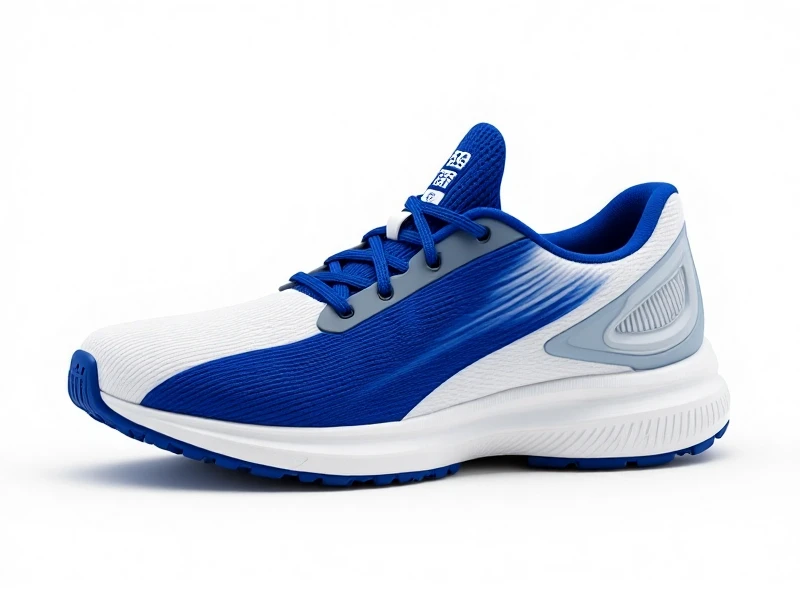
Finding Your Perfect Running Shoes: A Comprehensive Guide
Choosing the right running shoes can make all the difference in your fitness journey. Not only do they shield your feet from harsh surfaces, but they also boost performance and reduce injury risks. Whether you're a seasoned marathoner or just starting your first 5K, investing in quality running shoes is essential for long-term health and enjoyment. With so many options available, it can feel overwhelming—but don't worry. This guide covers everything you need to know about selecting and maintaining your ideal pair, ensuring you hit the pavement with confidence.
First, understand that running shoes come in various types tailored to different needs. Neutral shoes, like those from Nike and Adidas, offer balanced cushioning for runners with normal arches, making them ideal for everyday roadwork. If you experience overpronation, stability shoes from brands such as Brooks or Asics provide extra support to prevent ankle roll. For trail enthusiasts, rugged trail running shoes feature enhanced grip and protection against rough terrain. Additionally, minimalist or lightweight options cater to those seeking a barefoot feel, while cushioned running shoes are perfect for high-impact training. To choose wisely, consider your foot shape and running style—visit a specialized store for a gait analysis to identify your true needs.
Apart from type, focus on key features that enhance comfort and durability. Look for running shoes with ample cushioning in the midsole to absorb shock, especially for longer distances or hard surfaces. Breathable uppers keep feet cool during intense runs, while flexible soles promote natural movement. Rotating between two pairs of running shoes can extend their lifespan, as this reduces wear and tear. Replacing them every 300–500 miles is crucial to maintain support and avoid injuries like shin splints. Top brands consistently innovate, with models like Brooks Ghost, Saucony Ride, and Hoka Clifton winning rave reviews for their blend of comfort and responsiveness. Always test them out—walk or jog around before buying to ensure a snug yet comfortable fit without pinching or slipping.
In conclusion, the best running shoes empower your runs by matching your personal needs. Whether upgrading for marathon training or just strolling around the block, a well-chosen pair boosts not only performance but overall foot health. Remember to re-evaluate your running shoes occasionally as your body changes. Happy running!